CLI Newsletter March,2026


The U.S. real estate market is gradually transitioning from the extraordinary conditions of the pandemic years back toward more historically typical dynamics. After several years defined by record-low mortgage rates, surging home prices, and limited housing supply, the market is now adjusting to a new environment shaped by higher borrowing costs and shifting economic conditions.
While transaction activity remains below long-term averages, key indicators suggest the housing market may be stabilizing rather than continuing to decline. Inventory levels are gradually improving, home price growth has moderated to more sustainable levels, and the broader economy continues to show steady, if slower, growth.
Understanding these trends is important for both homeowners and investors as the market moves into its next phase.
Key Indicators Driving the Housing Market
According to recent housing data, six core indicators continue to shape the direction of the U.S. real estate market: home sales, home prices, total market volume, housing inventory, mortgage rates, and housing affordability.
Home Sales
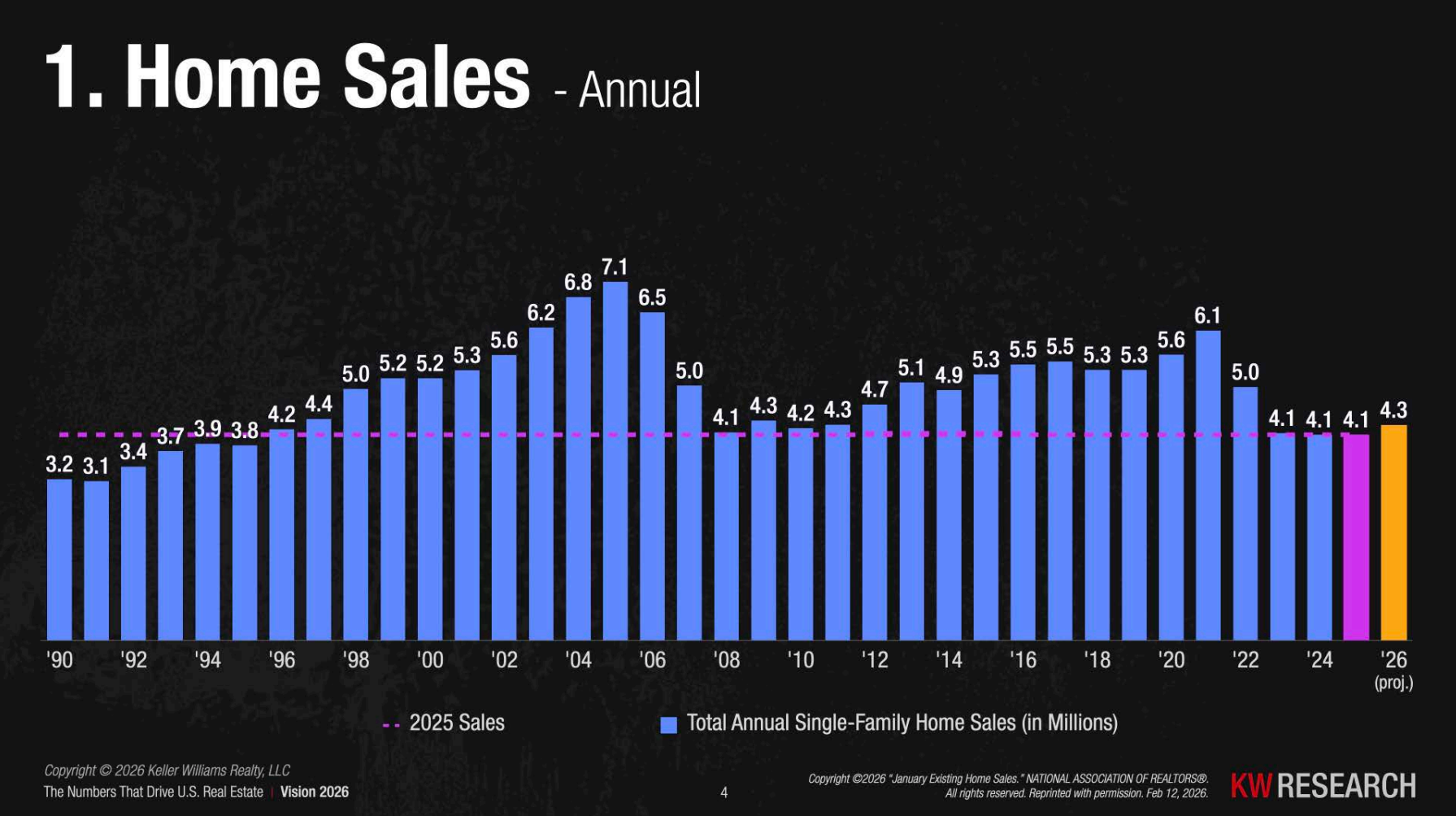
Home sales remain below long-term averages. Historically, the U.S. housing market has typically seen around 5 to 5.5 million homes sold annually, with the peak occurring during the mid-2000s housing boom.
In recent years, higher mortgage rates and affordability challenges have reduced transaction activity, bringing annual home sales closer to 4 million units. While activity has slowed compared to the pandemic surge, the data suggests the market may be reaching a stabilization point.
Home Prices
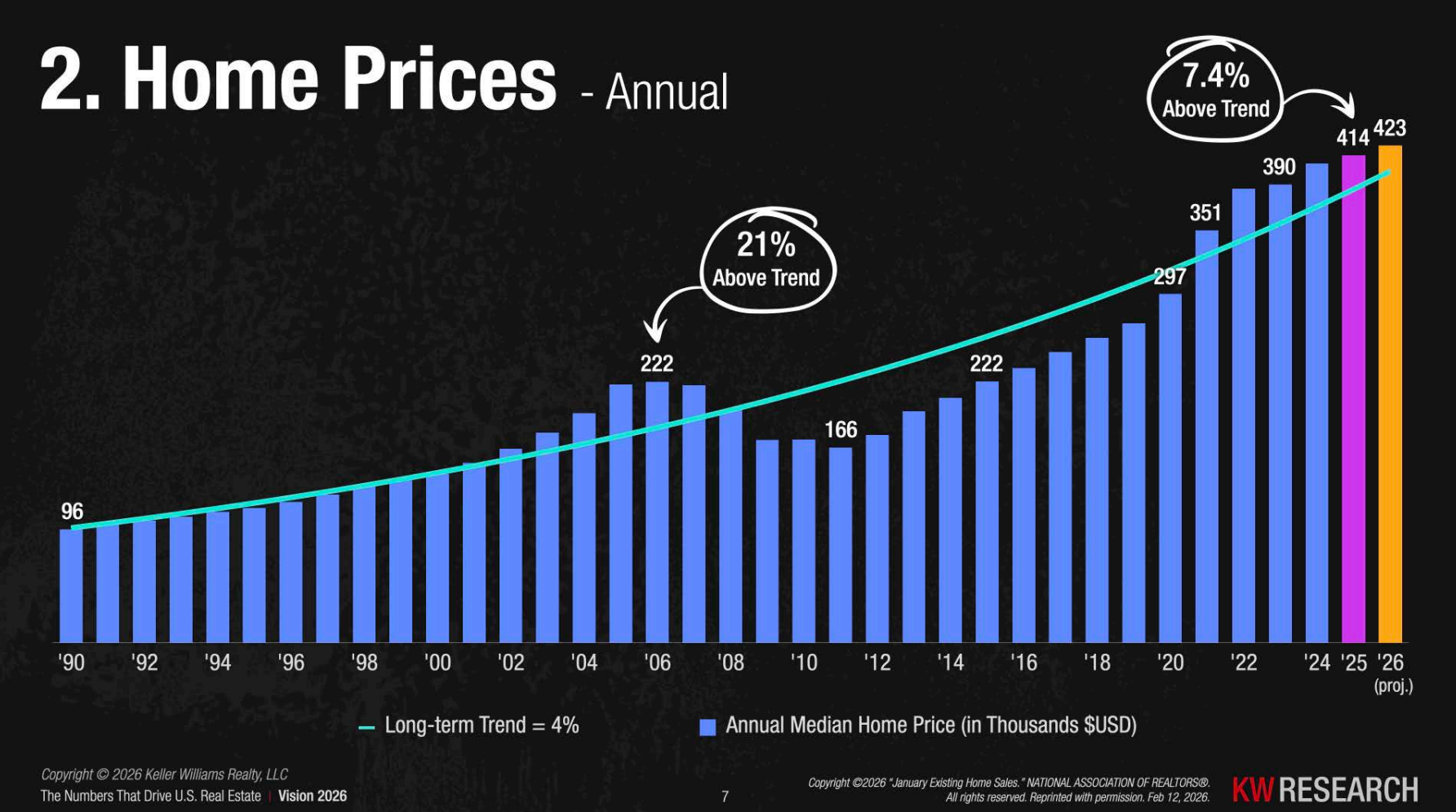
Despite fluctuations in the short term, home prices continue to follow a long-term upward trend. Over the past several decades, U.S. home prices have appreciated at an average rate of roughly 4% annually.
The unusually rapid price growth between 2020 and 2022 was largely driven by extremely low mortgage rates and strong housing demand. Since then, price growth has moderated and returned to a more sustainable pace.
Housing Inventory and Mortgage Rates
Housing supply is gradually improving compared with the extremely tight conditions experienced during the pandemic. However, inventory levels remain below what is typically considered a balanced market.
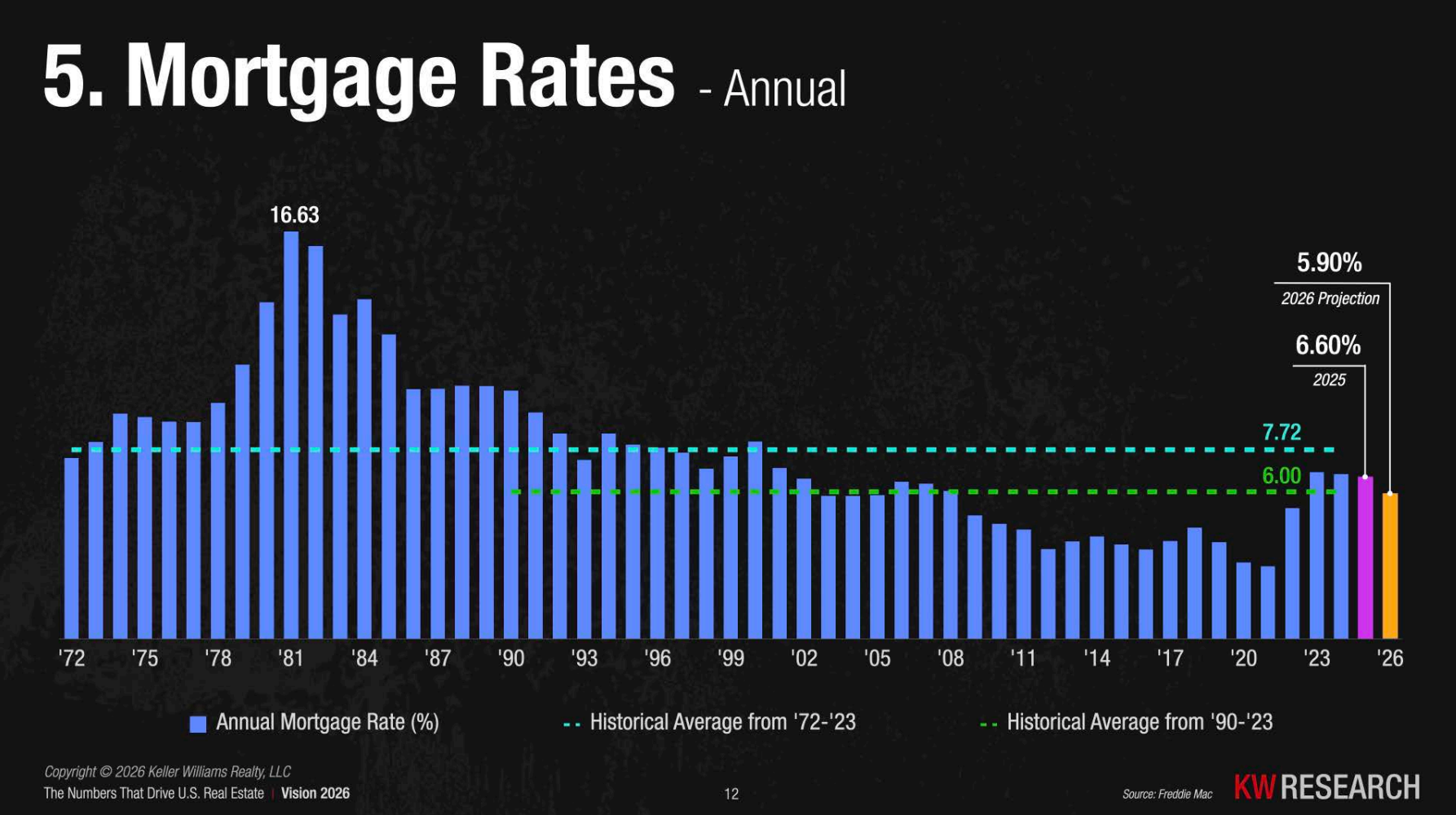
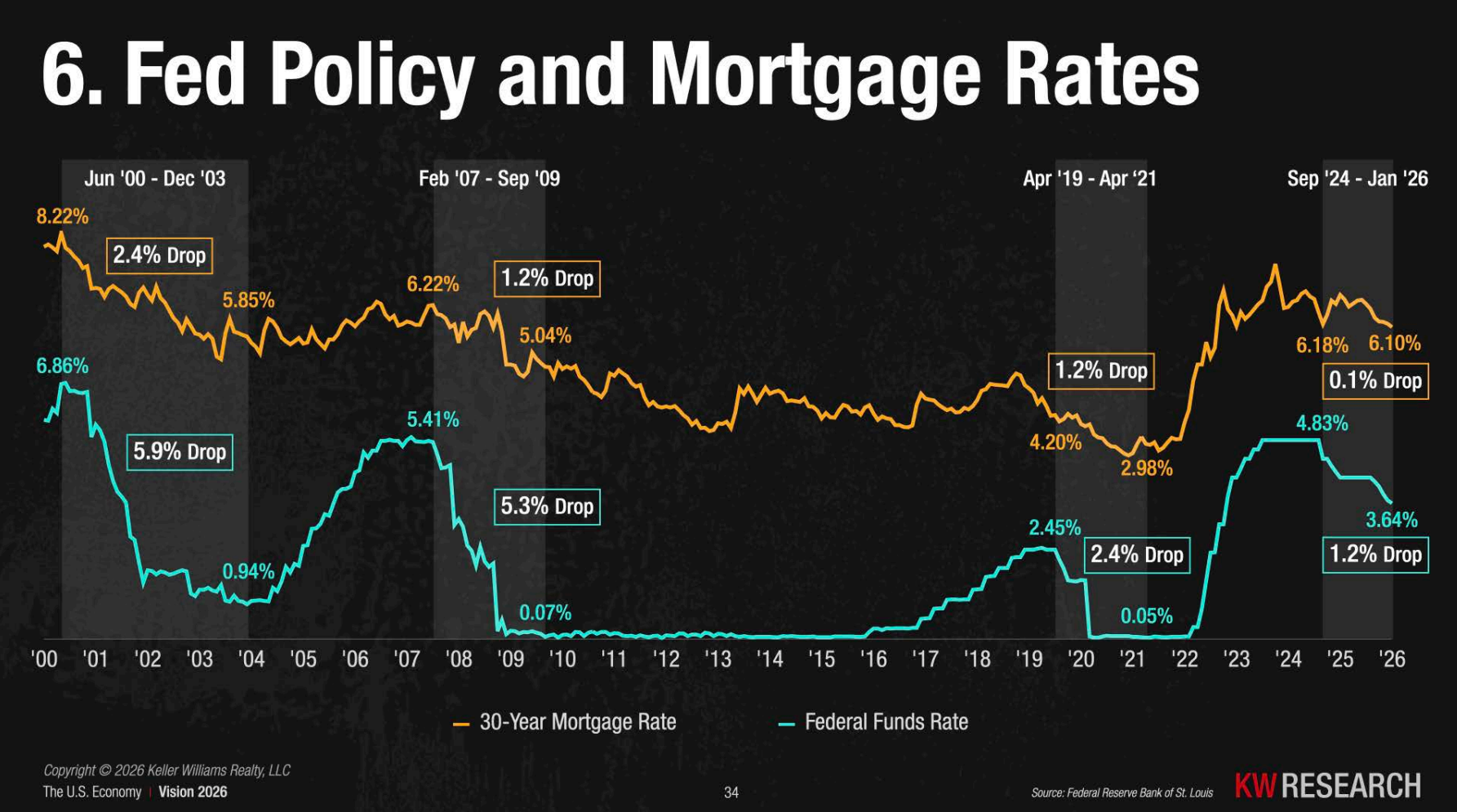
Mortgage rates continue to play a central role in shaping housing demand. After reaching historic lows near 2.7% in 2021, mortgage rates rose sharply and exceeded 7% in 2023. Current projections suggest mortgage rates may stabilize closer to the mid-5% to low-6% range over time.
The Broader Economic Environment
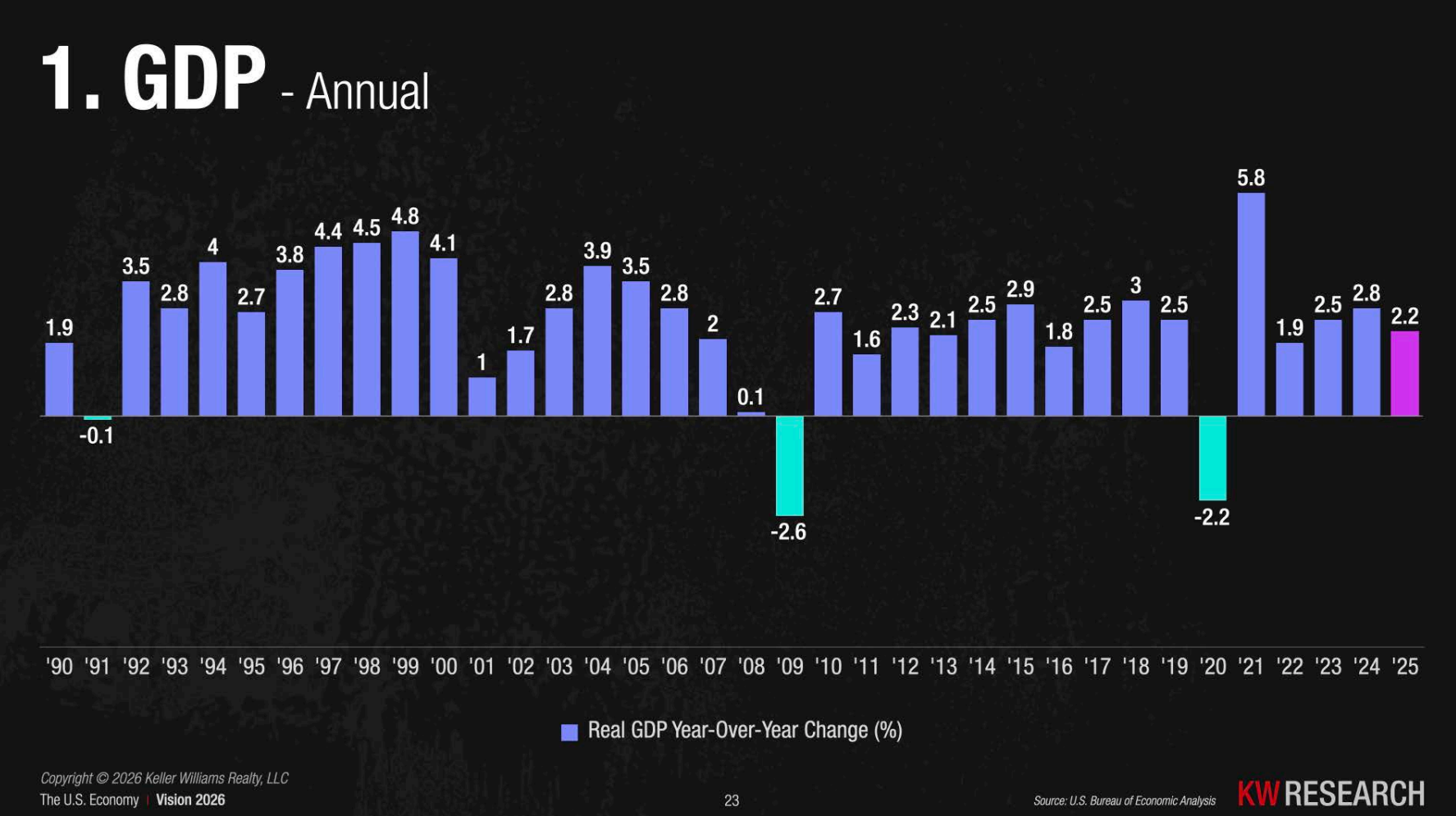
Real estate trends are closely tied to broader economic conditions. The U.S. economy continues to expand at a moderate pace, with GDP growth expected to remain near its long-term average.
The labor market also remains relatively strong, although job growth has slowed compared with the rapid hiring seen during the post-pandemic recovery. Inflation has moderated from its recent peak and is gradually moving closer to the Federal Reserve’s long-term target.
Commercial Real Estate Trends
Conditions vary significantly across commercial real estate sectors.
Office properties continue to face challenges as remote and hybrid work models persist, leading to elevated vacancy rates in many markets. Retail properties are evolving toward mixed-use developments and experiential formats that combine shopping, dining, and entertainment.
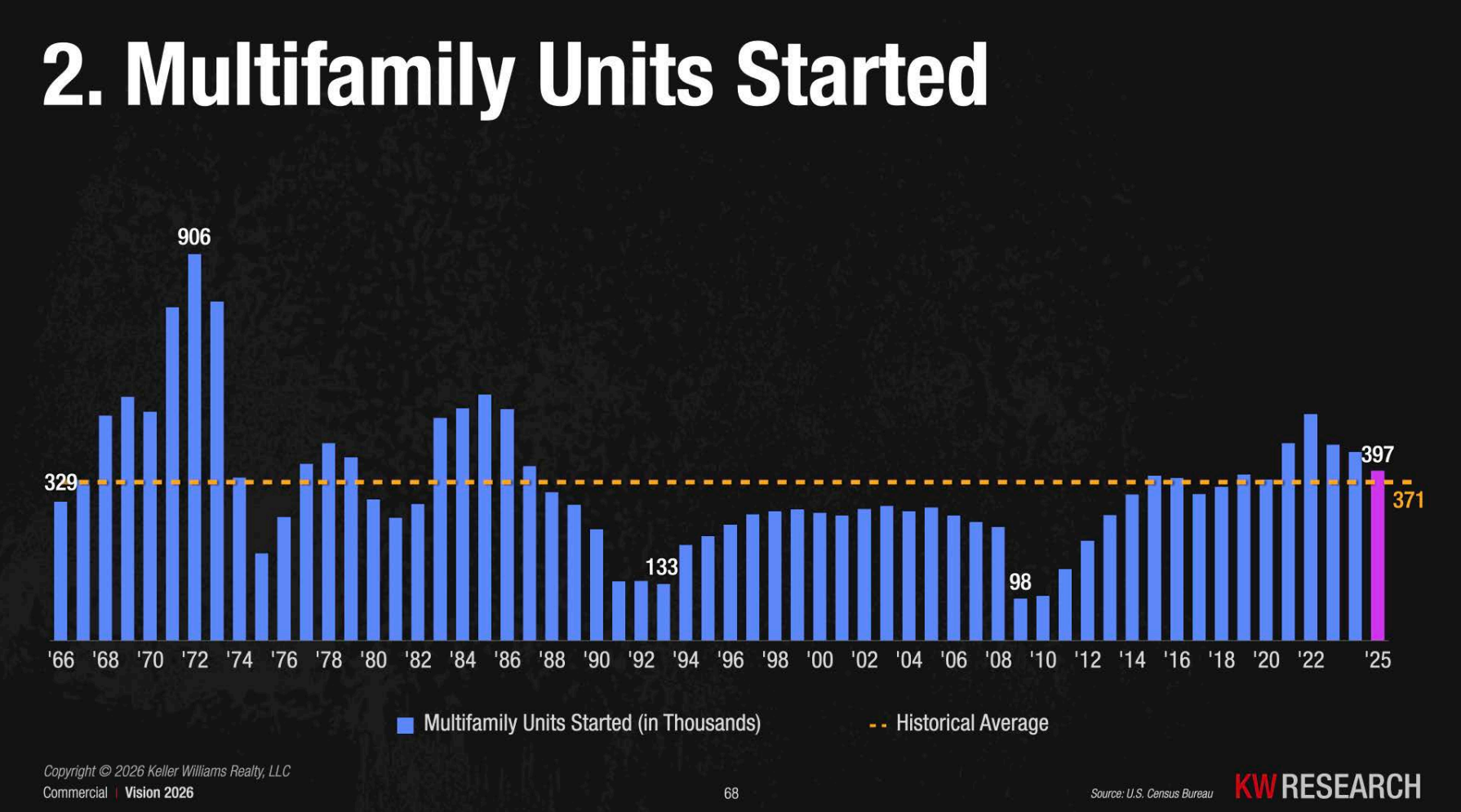
Multifamily housing has seen increased construction in recent years, which has placed downward pressure on rents in certain markets. Industrial real estate, after several years of strong growth driven by e-commerce and logistics demand, is beginning to normalize as supply increases.
Looking Ahead
The housing market appears to be moving toward a more balanced and sustainable environment. The extraordinary conditions of the pandemic years—ultra-low interest rates, rapid price appreciation, and historically low inventory—are gradually giving way to more typical market dynamics.
While higher borrowing costs continue to influence affordability and transaction volume, long-term fundamentals such as population growth, housing demand, and limited supply remain supportive of real estate values.
For investors and homeowners alike, understanding these shifting dynamics will be key as the market continues to evolve.
IN THE NEWS
Mortgage rates fall below 6% for first time since 2022
Presented by Yahoo Finance
For the first time in over three years, the average 30-year fixed mortgage rate has dipped into "the 5s," officially hitting 5.98% as of late February 2026. This move marks a major psychological and financial milestone, breaking a barrier that has kept many prospective homebuyers on the sidelines since September 2022. While the 15-year fixed rate saw a slight uptick to 5.44%, the decline in the benchmark 30-year rate is expected to act as a "confidence trigger" for the upcoming spring buying season.
Economists note that while this dip significantly improves affordability, its greatest impact may be psychological. The shift below the 6% threshold is likely to lure "sideline buyers" back into the market and encourage a surge in refinancing activity for those who locked in higher rates over the last two years. However, experts caution that this trend is currently driven more by market volatility and investor "flight to safety" than by fundamental economic shifts. For the housing market to truly reignite, sustained inventory growth and more stable economic data will be required as we move further into 2026.
North Texas Industrial Surge: $1.25B Expansion Hits Northlake
Presented by the Office of the Texas Governor
Governor Greg Abbott recently announced that MP Materials Corp. will establish a massive, 120-acre rare earth magnet manufacturing campus in Northlake. Branded as "10X," this $1.25 billion investment is a strategic win for the Alliance Texas development and the broader North Texas tech corridor.
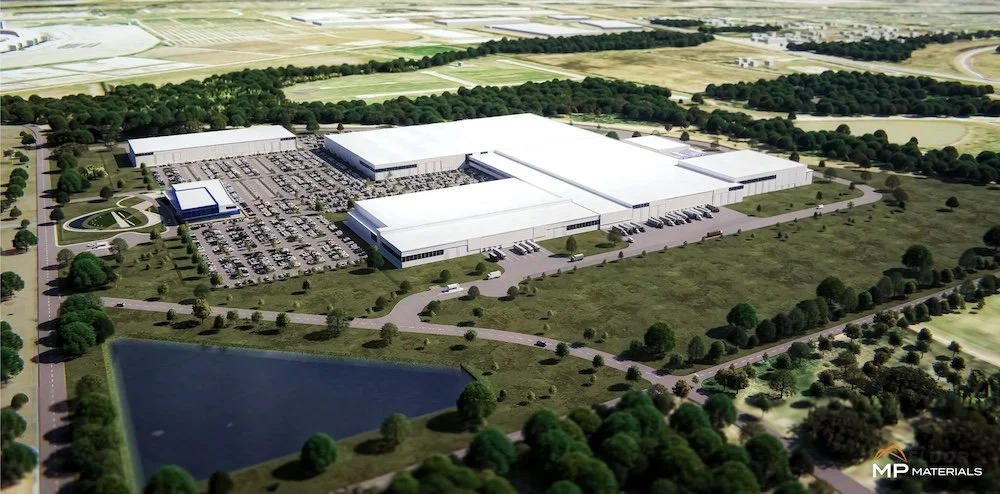
The project is expected to create over 1,500 new high-skilled jobs in engineering, manufacturing, and corporate operations. For local homeowners and investors, this represents a significant "confidence anchor" for the Denton County real estate market. Large-scale corporate footprints like this typically drive sustained long-term housing demand and property value appreciation in the surrounding suburbs as the workforce seeks proximity to these new employment hubs.
EB5 PROJECT
Group 96
The Ellis Student Housing
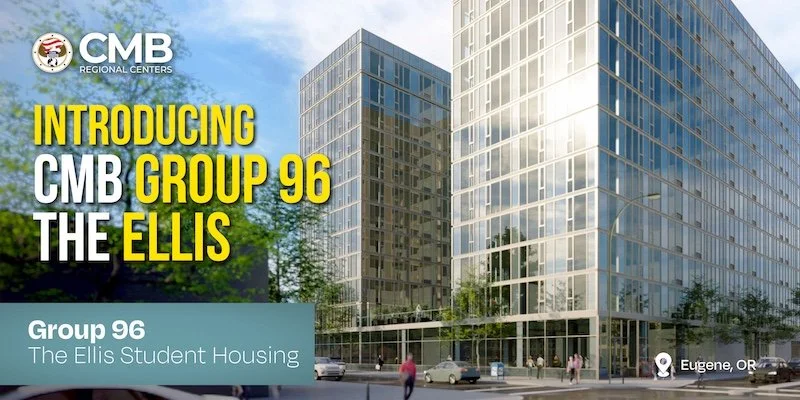
The Ellis (Group 96) is a new off-campus residential development located steps from the University of Oregon in Eugene. This 14-story tower is designed to meet high local demand for modern student living.
Key Details:
The Project: 306 units (685 beds) featuring premium amenities and 17,000 sq. ft. of ground-floor retail.
Tenant Milestone: A 15-year lease is already signed with a global fast-casual restaurant chain.
EB-5 Advantages: Located in a High-Unemployment TEA, qualifying investors for a reduced investment amount and access to set-aside visa categories.
Job Creation: Estimated to create 881 eligible jobs, providing a significant cushion above immigration requirements.
This project offers a strategic entry point for investors seeking U.S. permanent residency through a high-utilization real estate asset.
What is EB5?
EB-5 is a U.S. immigration program that allows foreign investors to obtain permanent residency (a green card) by investing in the U.S. economy and creating jobs. The program was created by U.S. Congress and is administered by U.S. Citizenship and Immigration Services (USCIS).

To qualify, an investor must invest in a U.S. business or development project that leads to the creation of at least 10 full-time jobs for U.S. workers. Many investors participate through projects sponsored by the EB-5 Regional Center Program, which pool capital from multiple investors to support large developments such as hotels, residential communities, or infrastructure projects.
In return, the investor, along with their spouse and unmarried children under 21, may receive a conditional green card, which can later become permanent once the investment and job-creation requirements are fulfilled.
Overall, the EB-5 program is widely used by international investors seeking long-term residency in the United States while contributing to economic development and job creation.